
Financial Stress Management
 https://sarainnerhealing.com/shop/notion-personal-finance-tracker-usa-edition/
Financial stress is one of the most common and emotionally draining forms of stress people experience. Concerns about money can affect mental health, physical wellbeing, relationships, productivity, and self-esteem. Whether caused by debt, unstable income, rising living costs, financial obligations, or uncertainty about the future, financial stress can create a constant sense of pressure that feels difficult to escape.
Financial stress management is not only about budgeting or earning more money. It is also about learning how to regulate emotional responses to financial challenges, reduce anxiety, build clarity, and regain a sense of control. When financial stress is managed effectively, individuals can make clearer decisions, feel more empowered, and approach money with confidence rather than fear.
Understanding Financial Stress
Financial stress occurs when financial demands exceed perceived resources or coping capacity. It often shows up as persistent worry, sleep disturbances, irritability, avoidance of financial tasks, tension in relationships, and difficulty focusing. Over time, unmanaged financial stress can contribute to anxiety, depression, burnout, and physical symptoms such as headaches, fatigue, or digestive issues.
Money is closely tied to survival, security, and self-worth. Because of this, financial stress often triggers deep emotional responses, including fear, shame, guilt, or feelings of failure. Effective financial stress management addresses both the practical and emotional aspects of money-related stress.
Common Causes of Financial Stress
Financial stress can arise from many situations, including:
Debt or loan repayments
Insufficient or unstable income
Job loss or career uncertainty
Unexpected expenses or emergencies
Rising cost of living
Family financial responsibilities
Lack of financial knowledge or planning
Fear of not having enough in the future
Understanding the root cause of financial stress is the first step toward managing it effectively.
The Impact of Financial Stress on Wellbeing
Chronic financial stress can significantly affect quality of life. It often leads to constant mental preoccupation with money, making it difficult to relax or enjoy daily activities. Relationships may suffer due to tension, arguments, or withdrawal. Decision-making becomes reactive rather than strategic, which can worsen financial situations over time.
Emotionally, financial stress can create a cycle of fear and avoidance—avoiding bills, bank statements, or financial conversations—which increases stress rather than reducing it. Financial stress management breaks this cycle by replacing avoidance with awareness and empowerment.
Core Financial Stress Management Strategies
1. Build Financial Awareness Without Judgment
Avoidance increases anxiety. Gently facing your financial reality—without self-criticism—is a powerful stress-reduction tool. Awareness creates clarity, and clarity creates control.
https://sarainnerhealing.com/shop/notion-personal-finance-tracker-usa-edition/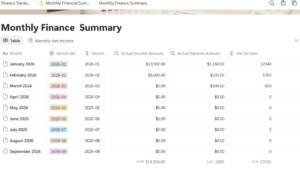
Start by reviewing:
Income and expenses –
Debts and obligations
Financial priorities
The goal is not perfection, but understanding.
2. Separate Emotional Stress From Financial Facts
Financial stress often magnifies perceived danger. Learning to separate emotional reactions from actual numbers helps reduce anxiety. Ask yourself:
What are the facts?
What assumptions am I making?
What is within my control right now?
This shift allows more grounded and rational decision-making.
3. Create a Simple Financial Structure
Structure reduces uncertainty. Even a basic financial plan can significantly lower stress. This may include:
A simple budget
Automatic bill payments
Emergency savings goals
Clear financial priorities
Structure replaces chaos with predictability, which calms the nervous system.

What is financial wellness
4. Regulate the Stress Response
Financial stress activates the body’s stress response. Learning to regulate the nervous system is essential for financial stress management.
Helpful techniques include:
Slow breathing with longer exhales
Grounding exercises
Mindful pauses before financial decisions
Short daily relaxation routines
When the body feels safe, the mind becomes clearer.

Emotional Wellness and Why it matters
5. Address Money-Related Beliefs
Many people carry subconscious beliefs about money such as:
“I’m bad with money”
“I’ll never have enough”
“Money causes problems”
“I don’t deserve financial security”
These beliefs increase stress and sabotage progress. Reframing limiting beliefs supports confidence and emotional balance around finances.
6. Break Financial Tasks Into Small Steps
Financial overwhelm often comes from viewing money challenges as too large to handle. Breaking tasks into small, manageable actions reduces resistance and builds momentum.
Examples:
Review one bill instead of all finances
Save a small amount consistently
Make one financial decision at a time
Progress, not perfection, reduces stress.
7. Set Healthy Financial Boundaries
Financial stress often increases when boundaries are unclear. Boundaries may include:
Saying no to financial obligations that create strain
Limiting financial support to others
Protecting personal financial goals
Communicating financial limits clearly
Boundaries are a form of self-respect and stress protection.
Emotional Support and Financial Stress
Managing financial stress does not mean handling it alone. Support systems—coaching, counseling, education, or guided programs—can provide tools, accountability, and emotional reassurance. External support reduces isolation and increases confidence in navigating financial challenges.
Financial stress management improves significantly when individuals feel supported, informed, and empowered rather than judged or overwhelmed.
Benefits of Effective Financial Stress Management
With consistent practice, financial stress management leads to:
Reduced anxiety and worry
Improved emotional wellbeing
Better financial decision-making
Increased sense of control
Healthier relationships
Greater confidence around money
Long-term financial stability
Managing financial stress does not eliminate challenges, but it changes how challenges are experienced and handled.
Financial Stress Management as a Lifestyle
Financial stress management is an ongoing practice, not a one-time fix. Regular financial check-ins, emotional awareness, realistic planning, and stress-regulation habits create long-term resilience.
When money is approached with clarity rather than fear, individuals experience greater freedom, balance, and peace of mind. Financial confidence grows through awareness, consistency, and compassionate self-management.
Conclusion
Financial stress can feel overwhelming, but it is manageable. Through awareness, emotional regulation, practical planning, and supportive habits, financial stress can be reduced significantly. Financial stress management empowers individuals to move from survival mode into a place of confidence, stability, and intentional choice.
By addressing both the emotional and practical aspects of money, individuals regain control over their finances—and their wellbeing.