
EMOTIONAL REGULATION
A Kabbalistic Prayer & Psalm Guide for Balance, Stability & Healthy Emotional Flow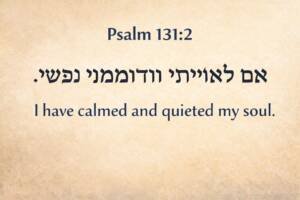
🌿 INTRODUCTION — EMOTIONAL REGULATION IN KABBALAH
In Kabbalah, emotional regulation is not emotional suppression.
It is emotional harmony.
Healthy emotional regulation occurs when Chesed (flow) and Gevurah (containment) are balanced through Tiferet (integration).
When this balance is disrupted, emotions may become:
overwhelming
chaotic
shut down
unpredictable
delayed and explosive
difficult to name or process
The Zohar teaches:
“When the measures are balanced, the soul rests.”
Emotional regulation allows feelings to move through the soul without taking over the self.
This prayer supports the soul in restoring inner balance so emotions can be felt, expressed, and released safely.
🧭 SIGNS EMOTIONAL REGULATION IS COMPROMISED
Emotional swings
Difficulty calming after activation

Suppressing emotions until they erupt
Feeling flooded by feelings
Reactivity disproportionate to situations
Emotional shutdown after intensity
Difficulty naming emotions
Feeling controlled by mood
Trouble staying present during strong feelings
Guilt or shame after emotional expression
Emotional dysregulation is not weakness.
It is often the residue of overload, trauma, or prolonged stress.
📜 PSALMS FOR EMOTIONAL BALANCE & STABILITY
1. Psalm 131:2 — Calming the Inner World
Hebrew:
אִם־לֹא שִׁוִּיתִי וְדוֹמַמְתִּי נַפְשִׁי
Transliteration:
Im lo shiviti v’domamti nafshi.
English:
“I have calmed and quieted my soul.”
This psalm stabilizes emotional intensity and restores internal order.
2. Psalm 62:2 — Emotional Stillness
Hebrew:
אַךְ אֶל־אֱלֹהִים דּוּמִיָּה נַפְשִׁי
Transliteration:
Ach el Elohim dumiyah nafshi.
English:
“My soul finds rest in God alone.”
Used to restore emotional anchoring during turbulence.
3. Psalm 37:7 — Allowing Time & Space
Hebrew:
דּוֹם לַיהוָה וְהִתְחוֹלֵל לוֹ
Transliteration:
Dom la’Adonai v’hitcholel lo.
English:
“Be still before the Divine and wait.”
This psalm teaches patience with emotional processes.
🔮 DIVINE NAMES FOR EMOTIONAL REGULATION
1. ל־ו־ו (Lamed–Vav–Vav)
Hebrew: לוו
Transliteration: LeVav
Healing qualities:
Harmonizes emotional extremes
Restores inner rhythm
Integrates feeling and restraint
2. ס־א־ל (Samech–Aleph–Lamed)
Hebrew: סאל
Transliteration: SaEL
Healing qualities:
Stabilizes emotional states
Grounds emotional energy
Supports containment
3. מ־ת־ק (Mem–Tav–Kuf)
Hebrew: מתק
Transliteration: MaTaK
Healing qualities:
Sweetens emotional intensity
Softens sharp reactions
Brings gentleness to experience
✨ ANA B’KOACH FOR BALANCE — LINE 6
Hebrew:
בָּרוּךְ שֵׁם כְּבוֹד מַלְכוּתוֹ לְעוֹלָם וָעֶד
Transliteration:
Baruch shem kevod malchuto l’olam va’ed.
English:
“Blessed is the Name of the glory of His kingdom forever.”
This line anchors emotional energy into stable embodiment (Malchut).
🌹 KABBALISTIC COMMENTARY — FEELING WITHOUT FLOODING
The Zohar teaches:
“Emotion without form overwhelms; form without emotion suffocates.”
 A Kabbalistic Prayer Emotional Regulation
Healthy regulation allows:
feelings to rise
awareness to remain present
expression to be proportionate
release to occur naturally
the nervous system to reset
Dysregulation often comes from early environments where:
emotions were unsafe
expression was punished
overwhelm was unmanaged
support was absent
Regulation is learned — and it can be relearned.
🌿 USAGE IN SESSION — EMOTIONAL REGULATION PRACTICE
Ask the client to sit with feet grounded and spine upright.
Guide slow breathing with a longer exhale.
Recite Psalm 131:2 to calm emotional noise.
Speak the Divine Name לוו (LeVav) three times to restore balance.
Recite Psalm 62:2 to anchor inner stillness.
Use Ana B’Koach Line 6 to ground emotions into the body.
Invite the affirmation:
“I can feel without being overwhelmed.”Close with grounding and gentle awareness.
🌿 SACRED INTEGRATION — RESTORING EMOTIONAL BALANCE
Emotions are not obstacles in Kabbalistic wisdom. They are currents of life-force moving through the vessel of the soul. When these currents move in proportion, they nourish the inner world. When they surge without containment or become restricted without expression, imbalance arises.
Emotional dysregulation is not a moral failing. It is often the result of energetic overload. The soul carries impressions — from childhood experiences, relational wounds, chronic stress, or environments where emotions were either punished or ignored. Over time, the inner balance between Chesed (expansion) and Gevurah (containment) becomes distorted.
Tiferet — the sephirah of integration — is the harmonizing center. It does not eliminate emotion. It organizes it.
Psalm 131:2 offers a profound image: the soul like a weaned child resting with its mother. This is not dependency. It is regulated attachment. The child no longer cries from urgent need. It rests from trust. The nervous system has softened.
When working with this prayer, imagine your emotional world settling into rhythm.
As you recite:
“I have calmed and quieted my soul,”
do not force calmness.
Instead:
• Allow the breath to lengthen.
• Let the body feel supported by gravity.
• Notice where intensity resides.
• Permit sensation without interpretation.
The Divine Names (לוו, סאל, מתק) function symbolically as balancing frequencies. They do not suppress emotion; they refine its edges. Over time, emotional reactions become responses.
Signs of integration may include:
• Shorter recovery time after activation
• Reduced reactivity
• Greater clarity when naming feelings
• Less shame after emotional expression
• A sense of internal steadiness
Regulation is not the absence of feeling.
It is the presence of stability while feeling.
This prayer may be used daily for seven days, especially during periods of emotional overwhelm. Repetition builds familiarity, and familiarity builds safety.
You are not silencing emotion.
You are strengthening the vessel that holds it.
🎧 GUIDED RECITATION SCRIPT — EMOTIONAL STABILITY
(For future audio recording. You may read this slowly in a calm tone.)
Begin by sitting upright with both feet resting on the floor.
Allow your hands to rest comfortably.
Take a slow breath in through the nose.
Exhale gently through the mouth.
Lengthen the exhale slightly.
Again, inhale.
And exhale.
Notice the surface of your breath without trying to change it.
Bring awareness to your chest and solar plexus — the areas where emotion often gathers.
Now gently recite:
אִם־לֹא שִׁוִּיתִי וְדוֹמַמְתִּי נַפְשִׁי
Im lo shiviti v’domamti nafshi.
“I have calmed and quieted my soul.”
As you say the words, imagine the inner waters becoming still.
Visualize the image of a weaned child resting peacefully.
No urgency.
No grasping.
Simply resting presence.
Recite:
אַךְ אֶל־אֱלֹהִים דּוּמִיָּה נַפְשִׁי
“My soul finds rest in the Divine.”
Let your shoulders soften.
Now anchor the practice with:
Baruch shem kevod malchuto l’olam va’ed.
“Blessed is the Name of the glory of His kingdom forever.”
Feel your body grounded.
Silently affirm:
“I can feel without being overwhelmed.”
“My emotions move through me safely.”
“I remain steady while I feel.”
Take one final breath.
When ready, open your eyes gently.
Carry this steadiness with you.
❓ FREQUENTLY ASKED QUESTIONS — EMOTIONAL REGULATION IN KABBALAH
Is emotional dysregulation a spiritual weakness?
No. Kabbalah views emotional imbalance as a temporary energetic distortion, not a flaw. The soul remains whole even when its expression is turbulent.
How often should this prayer be used?
It may be used daily during periods of instability or before situations known to trigger emotional reactivity.
Do I need knowledge of Kabbalah to benefit?
No. While rooted in mystical structure, the Psalms operate through intention and presence. The practice remains accessible.
What if I feel more emotion while reciting?
Sometimes regulation begins with awareness. Increased feeling does not mean failure. Continue breathing and allow sensation to move without judgment.
Can this replace therapy?
No. Spiritual practice complements but does not replace psychological or medical care when needed.
Why use Divine Names?
In Kabbalistic understanding, Hebrew letters carry symbolic energetic meaning. Even when approached contemplatively, they serve as focal points for integration.
How will I know it is working?
You may notice:
• Faster calming after activation
• More proportional reactions
• Less emotional shame
• Improved clarity
Progress is gradual.
Is emotional intensity wrong?
No. Intensity becomes harmful only when uncontained or chronically suppressed. Healthy regulation allows full experience without loss of center.