
How Do I Reduce Stress Naturally?
12 Simple Ways to Feel Calmer Every Day
 Stress is a normal part of life.
Deadlines.
Family responsibilities.
Financial pressures.
Health concerns.
Unexpected changes.
At different times, everyone experiences stress.
In small amounts, stress can even be helpful. It motivates us to meet deadlines, solve problems and respond to challenges.
The difficulty begins when stress becomes constant.
Instead of helping us, it starts affecting our sleep, our relationships, our physical health and our emotional wellbeing.
Many people assume that feeling stressed all the time is simply part of modern life.
It does not have to be.
If you have been asking, “How do I reduce stress naturally?”, there are many simple, practical habits that can make a meaningful difference.
Natural stress management is not about eliminating every challenge.
It is about building resilience so that challenges no longer control your life.
Understand What Is Causing Your Stress
Before trying to reduce stress, it helps to understand where it is coming from.
Ask yourself:
What situations make me feel overwhelmed?
Are there people who regularly increase my stress?
Am I trying to do too much?
Am I neglecting my own needs?
Keeping a journal for a week can help you recognise patterns.
Awareness is often the first step towards positive change.
Learn to Breathe Slowly
When you become stressed, your breathing often becomes shallow and rapid.
Slow breathing sends a message to your nervous system that you are safe.
Try breathing in slowly through your nose for four seconds.
Hold your breath gently for four seconds.
Breathe out slowly through your mouth for six seconds.
Repeat for several minutes.
This simple exercise can help calm both your mind and body.
Move Your Body
Exercise is one of the most effective natural ways to manage stress.
You do not need intense workouts.
A brisk walk.
Gentle stretching.
Cycling.
Swimming.
Yoga.
Tai Chi.
Dancing.
Choose an activity you enjoy.
Regular movement helps reduce muscle tension, improves mood and supports emotional wellbeing.
Spend Time Outdoors
Nature has a remarkable ability to calm the mind.
A walk through a park.
Sitting beside a lake.
Listening to birdsong.
Watching trees move in the wind.
These experiences encourage your mind to slow down.
Even a few minutes outside each day can help reduce feelings of stress.
Protect Your Sleep
Stress and poor sleep often create a difficult cycle.
Stress makes sleep harder.
Poor sleep increases stress.
Develop a relaxing bedtime routine.
Reduce screen time before bed.
Keep your bedroom cool, quiet and comfortable.
Aim to go to bed and wake up at similar times each day.
Good sleep strengthens your ability to cope with daily pressures.
Be Careful What You Consume
What you watch, read and listen to influences your emotional state.
Constant exposure to negative news, arguments on social media or unrealistic comparisons can increase stress.
Choose content that encourages learning, hope and personal growth.
Protecting your mind is an important part of protecting your wellbeing.
Practise Gratitude
Gratitude does not remove life’s problems.
It changes what your mind notices.
Each day, write down three things you are grateful for.
They do not need to be extraordinary.
A kind conversation.
A good meal.
A peaceful evening.
Sunshine.
Laughter.
Over time, gratitude helps shift your attention from constant worry towards daily blessings.
Set Healthy Boundaries
Many people experience stress because they continually say yes.
Yes to extra work.
Yes to every favour.
Yes to every invitation.
Learning to say no respectfully protects your emotional energy.
Healthy boundaries allow you to care for others without neglecting yourself.
Make Time for Quiet
Modern life is filled with noise.
Give your mind opportunities to slow down.
Read.
Pray.
Meditate.
Listen to peaceful instrumental music.
Write in your journal.
Sit quietly with a cup of tea.
Moments of stillness allow your nervous system to recover.
Stay Connected
Stress often encourages people to withdraw from others.
Yet supportive relationships are one of the greatest protectors of emotional wellbeing.
Talk with trusted friends.
Spend time with family.
Join supportive communities.
Sometimes sharing your worries makes them feel much lighter.
Accept What You Cannot Control
Many people exhaust themselves trying to control things that are beyond their influence.
Ask yourself:
Is this something I can change?
If the answer is yes, take one practical step.
If the answer is no, practise letting go.
Focusing your energy on what you can influence creates greater peace.
Seek Professional Support When Needed
Natural stress management techniques are valuable, but persistent or overwhelming stress sometimes requires additional support.
If stress is affecting your health, work, relationships or daily functioning, speak with a qualified healthcare professional.
Seeking help is a positive step towards recovery.
A Spiritual Reflection
Imagine a river flowing around rocks.
It does not stop because obstacles appear.
It finds another path.
Life often asks us to do the same.
Stress may place obstacles in our way, but it does not have to stop us moving forward.
Sometimes strength is not found in pushing harder.
Sometimes it is found in slowing down, trusting the journey and taking one peaceful step at a time.
Frequently Asked Questions
What is the best natural way to reduce stress?
There is no single solution. Regular exercise, healthy sleep, mindfulness, gratitude, time in nature and supportive relationships all contribute to reducing stress naturally.
Can stress affect physical health?
Yes. Long-term stress can affect sleep, digestion, blood pressure, immunity and overall wellbeing.
How long does it take to reduce stress naturally?
Many people notice small improvements within days or weeks of practising healthy habits consistently. Long-term resilience develops over time.
Suggested Resources
Self-Care
- What Is Self-Care Really?
- How Can I Create a Daily Self-Care Routine?
- Why Is Rest So Important for Mental Health?
- What Are Healthy Emotional Boundaries?
- How Can Gratitude Improve My Mental Wellbeing?
Stress & Emotional Healing
- How Do I Calm My Nervous System Naturally?
- How Do I Recover From Burnout?
- Why Do I Feel Overwhelmed by Life?
- What Are the First Steps to Emotional Healing?
Thrive Within Resources
- Guided Meditation Centre
- Healing Music Collection
- Sleep Meditation Collection
- Healing Prayers
- Gratitude Journals
- Emotional Wellness Resources
- Thrive Within Membership
Conclusion
Stress may be part of life, but living in a constant state of stress does not have to be.
By making small, intentional changes to your daily habits, you can strengthen your resilience, protect your emotional wellbeing and experience greater peace each day.
Remember that meaningful change rarely comes from one dramatic decision.
It grows through small, consistent choices that support your mind, body and spirit.
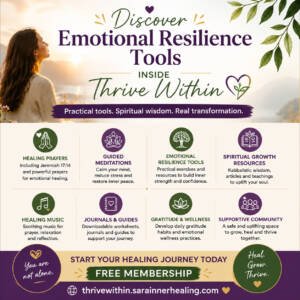
At Thrive Within, we believe that peace is something you can cultivate every day. Through guided meditations, healing music, gratitude journals, healing prayers and practical wellbeing resources, we are here to help you reduce stress naturally and build a calmer, healthier and more fulfilling life.