
How to Overcome Trauma
Trauma can change the way we think, feel and experience the world. It may result from childhood experiences, the loss of a loved one, relationship breakdown, abuse, financial hardship, illness or any event that overwhelms our ability to cope. While trauma can leave deep emotional wounds, it does not have to define the rest of your life.
Healing is possible.
Although recovery takes time, learning how to overcome trauma begins with understanding what trauma is, recognising its effects and taking practical steps towards emotional, mental and spiritual healing.
What Is Trauma?
Trauma is the emotional and psychological response to a deeply distressing or disturbing experience. It affects people differently. Two individuals may experience the same event but respond in completely different ways depending on their life experiences, support systems and coping skills.
Trauma may be caused by:
- Childhood abuse or neglect
- Domestic violence
- Divorce or relationship breakdown
- Bereavement
- Bullying
- Financial hardship
- Serious illness
- Accidents
- Workplace stress
- Natural disasters
If left unaddressed, trauma can influence how we think, feel, behave and relate to others.
Signs You May Be Living with Trauma
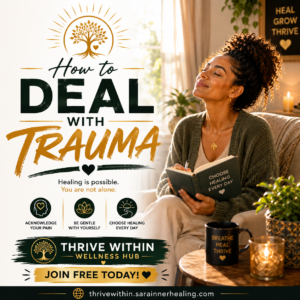
Trauma affects both the mind and body. Common signs include:
- Anxiety and excessive worry
- Flashbacks or distressing memories
- Difficulty trusting others
- Low self-esteem
- Emotional numbness
- Anger or irritability
- Difficulty sleeping
- Constant fear or hypervigilance
- Depression
- Feeling stuck in the past
Recognising these signs is the first step towards trauma recovery.
7 Practical Ways to Overcome Trauma
1. Acknowledge What Happened
Healing begins when you stop pretending everything is fine.
Suppressing painful memories rarely makes them disappear. Instead, give yourself permission to acknowledge your emotions without judgement.
Accepting what happened is not the same as approving of it. It simply means you are no longer denying its impact on your life.
2. Allow Yourself to Feel
Many people try to avoid emotional pain by staying busy or distracting themselves.
Healing requires you to recognise your emotions rather than suppress them.
Ask yourself:
- What am I feeling?
- What triggered this emotion?
- What do I need right now?
Developing emotional awareness is an important part of healing from emotional trauma.
3. Challenge Limiting Beliefs
Trauma often creates unhealthy beliefs such as:
- I am not good enough.
- I cannot trust anyone.
- I will never recover.
- I don’t deserve happiness.
These beliefs are not facts.
Learning to recognise and replace limiting beliefs with healthier thinking supports both emotional healing and long-term recovery.
4. Practise Self-Care
Recovery requires caring for your whole wellbeing.
Prioritise:
- Healthy sleep
- Nutritious food
- Physical activity
- Time to rest
- Mindfulness
- Healthy boundaries
Practising self-care strengthens emotional resilience and creates the foundation for healing.
5. Practise Forgiveness
Forgiveness is one of the most difficult yet freeing parts of the healing journey.
Forgiveness does not excuse harmful behaviour.
Instead, it releases the emotional burden that keeps you connected to the pain.
Sometimes the person who needs forgiveness most is yourself.
6. Seek Support
Healing does not have to happen alone.
Talking with trusted friends, family members or a qualified mental health professional can help you process difficult emotions and develop healthier coping strategies.
Seeking support is a sign of courage, not weakness.
7. Rebuild Your Life with Purpose
Trauma can make people feel as though life has lost its meaning.
As healing progresses, begin focusing on the future rather than remaining trapped by the past.
Set small goals.
Develop healthy habits.
Invest in personal growth.
Reconnect with activities that bring joy and fulfilment.
Purpose provides hope, and hope creates momentum.
Common Mistakes That Delay Healing
Many people unintentionally slow their recovery by:
- Ignoring painful emotions.
- Expecting healing to happen quickly.
- Isolating themselves from others.
- Blaming themselves for what happened.
- Neglecting their physical and emotional wellbeing.
- Refusing to ask for help.
Healing is not about perfection.
It is about making consistent progress one step at a time.
The Importance of Emotional, Mental and Spiritual Healing
Trauma affects every part of our lives.
Healing therefore requires more than simply managing symptoms.
At Sara Inner Healing, we believe lasting transformation occurs when emotional alignment, mental alignment and spiritual alignment work together.
Emotional healing helps us process painful experiences.
Mental healing enables us to replace limiting beliefs with healthier patterns of thinking.
Spiritual healing reconnects us with hope, purpose, gratitude and inner peace.
When these dimensions become aligned, healthier decisions and positive actions naturally follow.
Final Thoughts
Learning how to overcome trauma is not about forgetting the past. It is about refusing to allow the past to control your future.
Healing takes patience, compassion and perseverance, but every small step you take moves you closer to emotional freedom and lasting wellbeing.
No matter what has happened, your story is not over.
Recovery is possible.
Transformation is possible.
Hope is possible.
Continue Your Healing Journey
Download our FREE Emotional Balance Cheat Sheet & Workbook to begin strengthening your emotional resilience and developing healthier daily habits.
Recommended Reading
Spiritual Healing for Women: You Can Heal Your Heart and Improve Your Financial Wellbeing
Healing Journals
- Mindfulness Journal
- Forgiveness Therapy Journal
- Prayer Journal
- Gratitude Journal
Related Articles
- How to Practice Self-Care
- How to Heal from Childhood Trauma
- How to Heal Emotional Trauma
- How to Maintain a Healthy Mindset
- What Is Psychological Health?
Frequently Asked Questions
Can trauma be healed?
Yes. Although traumatic experiences cannot be erased, emotional healing can significantly reduce their impact and help you live a fulfilling life.
How long does trauma recovery take?
Recovery is different for everyone. Healing depends on the nature of the trauma, your support system and the strategies you use to recover.
What is the first step in overcoming trauma?
The first step is acknowledging what happened and allowing yourself to process your emotions with honesty and compassion.
Should I seek professional help?
If trauma is significantly affecting your relationships, work or daily life, support from a qualified mental health professional can be beneficial.