

15 Confidence Affirmations for Women to Believe
The voice of self-doubt is often not loud. It can sound like overthinking before you speak in a meeting, apologizing for a reasonable need, or staying small in a relationship because being fully seen feels risky. Confidence affirmations for women are not meant to cover that pain with pretty words. Used with honesty and spiritual intention, they can help you return to the truth beneath old fear: you are worthy, guided, and allowed to take up space.
Confidence is not a personality trait reserved for outspoken people. It is a relationship with yourself. It grows when your thoughts, boundaries, choices, and faith begin to agree that your life has value. Affirmations can support that relationship, especially when they are paired with reflection, prayer, and small acts of courage.
Why affirmations can strengthen confidence
Many women learned to measure their worth through approval, achievement, appearance, or how much they could carry for everyone else. Those lessons may have begun in childhood, been reinforced in difficult relationships, or deepened during seasons of grief, burnout, financial stress, or career uncertainty. They do not disappear simply because you decide to be more confident.
An affirmation gives your mind a new sentence to practice. It interrupts the familiar script of “I am behind,” “I am too much,” or “I cannot handle this.” Repeating a new belief does not erase a wound overnight, and it should never pressure you to deny real emotions. But it can create a pause between a fearful thought and the action you take next.
From a spiritual perspective, confidence is not arrogance. It is trust that your soul was created with purpose and that Divine power can guide you through what you do not yet understand. In the language of inner healing, this is part of soul correction, or Tikkun HaNefesh: gently recognizing the patterns that keep you disconnected from your truest self, then choosing a more loving response.
15 confidence affirmations for women
Choose one or two affirmations that feel supportive rather than forced. If a statement feels too far from what you currently believe, soften it. For example, change “I completely trust myself” to “I am learning to trust myself one choice at a time.” Honest words are more healing than words you feel pressured to perform.
- I am worthy of respect, love, and honest support.
Let this be a boundary affirmation. Your worth does not depend on being convenient, endlessly available, or agreeable.
- I trust myself to make the next right decision.
You do not need perfect certainty before moving forward. Confidence often comes after you take one grounded step, not before.
- My voice matters, even when it shakes.
Courage is not the absence of nerves. It is the willingness to speak with integrity while your heart is still learning that it is safe to be heard.
- I release the need to earn my value.
Your accomplishments can be meaningful, but they are not proof that you deserve care. You already do.
- I am allowed to take up space in my own life.
This can be especially powerful if you have spent years shrinking your needs to avoid conflict or disappointment.
- I can be compassionate without abandoning myself.
Loving others does not require you to tolerate disrespect, chaos, or emotional exhaustion. Healthy compassion includes you.
- I honor the wisdom my experiences have given me.
Pain is not something you needed to deserve, and it does not define you. Yet your healing can reveal discernment, strength, and deeper self-knowledge.
- I am guided toward people and opportunities that honor my growth.
Use this when you are navigating a relationship shift, career transition, or a decision that requires you to choose what is aligned rather than what is familiar.
- I forgive myself for the ways I survived before I knew better.
Self-forgiveness is not excusing harmful behavior. It is releasing shame so you can take responsibility with an open heart and make a different choice now.
- My boundaries protect my peace and make room for real love.
A boundary may disappoint someone who benefited from your silence. That discomfort does not mean your boundary is wrong.
- I do not need to compare my path to anyone else’s.
Comparison can make another person’s visible chapter feel like evidence that you are failing. Return to your own values, pace, and purpose.
- I have the strength to meet this moment with grace.
Grace does not mean pretending everything is easy. It means allowing yourself to receive support, breathe, pray, and respond without turning against yourself.
- I welcome abundance without guilt or fear.
Confidence also touches money, work, and receiving. You can desire financial stability, meaningful work, and fair compensation while staying connected to generosity and integrity.
- I am becoming more honest, peaceful, and free.
This affirmation honors growth as a process. You are not required to become a finished version of yourself before you can feel proud of your progress.
- The Divine is with me, and I do not walk alone.
When your confidence feels thin, borrow strength from your faith. A quiet prayer can be enough to remind your nervous system that fear is present, but it is not in charge.
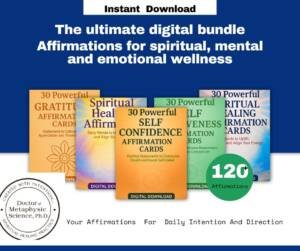
How to make affirmations feel real
The most effective confidence affirmations are connected to your actual life. Instead of reciting them quickly while scrolling on your phone, create a small ritual that invites your body and spirit to participate. Place a hand over your heart, take three slow breaths, and say your chosen affirmation aloud. Then ask yourself, “What is one action that would honor these words today?”
That action might be sending the email you have avoided, asking for clarity instead of assuming rejection, saying no to a draining request, or taking a ten-minute walk before reacting to a difficult message. Affirmations become more believable when your choices begin to provide evidence for them.
Writing also helps. Keep one affirmation in a gratitude journal for a week and notice when resistance appears. Perhaps “I am worthy of respect” brings up a memory of being dismissed. Perhaps “I trust myself” exposes how often you ask others to validate every choice. Do not judge what surfaces. This awareness is valuable information about where healing is asking for your attention.
A morning practice can set the tone for your day, while an evening practice can help you release comparison and self-criticism before sleep. It depends on when self-doubt tends to visit you. If mornings are rushed, choose a single sentence on your commute. If nighttime overthinking is your struggle, pair an affirmation with a healing prayer, meditation music, or a few written reflections.
When affirmations are not enough on their own
Affirmations are a supportive tool, not a substitute for deeper care. If you are living with intense anxiety, trauma responses, depression, abusive relationship dynamics, or persistent shame, repeating positive words may bring up difficult feelings. That does not mean you have failed. It may mean your heart needs more spacious, personal support.
Inner healing often asks us to look beneath the statement “I am not confident.” Is there a childhood wound beneath it? A pattern of people-pleasing? Fear of disappointing family? A belief that visibility is unsafe? Working with these roots through compassionate coaching, therapeutic support, spiritual practice, or structured reflection can help confidence become steadier and less dependent on external praise.
At Sara Inner Healing, confidence work is approached as more than improving your self-image. It is an opportunity to return to love, recognize the beliefs that have kept you small, and build a life that reflects your divine worth.
Tonight, choose one affirmation and say it slowly enough to hear yourself. You do not have to force confidence to arrive all at once. Let it grow through every truthful prayer, every protected boundary, and every moment you choose to stand beside yourself.