
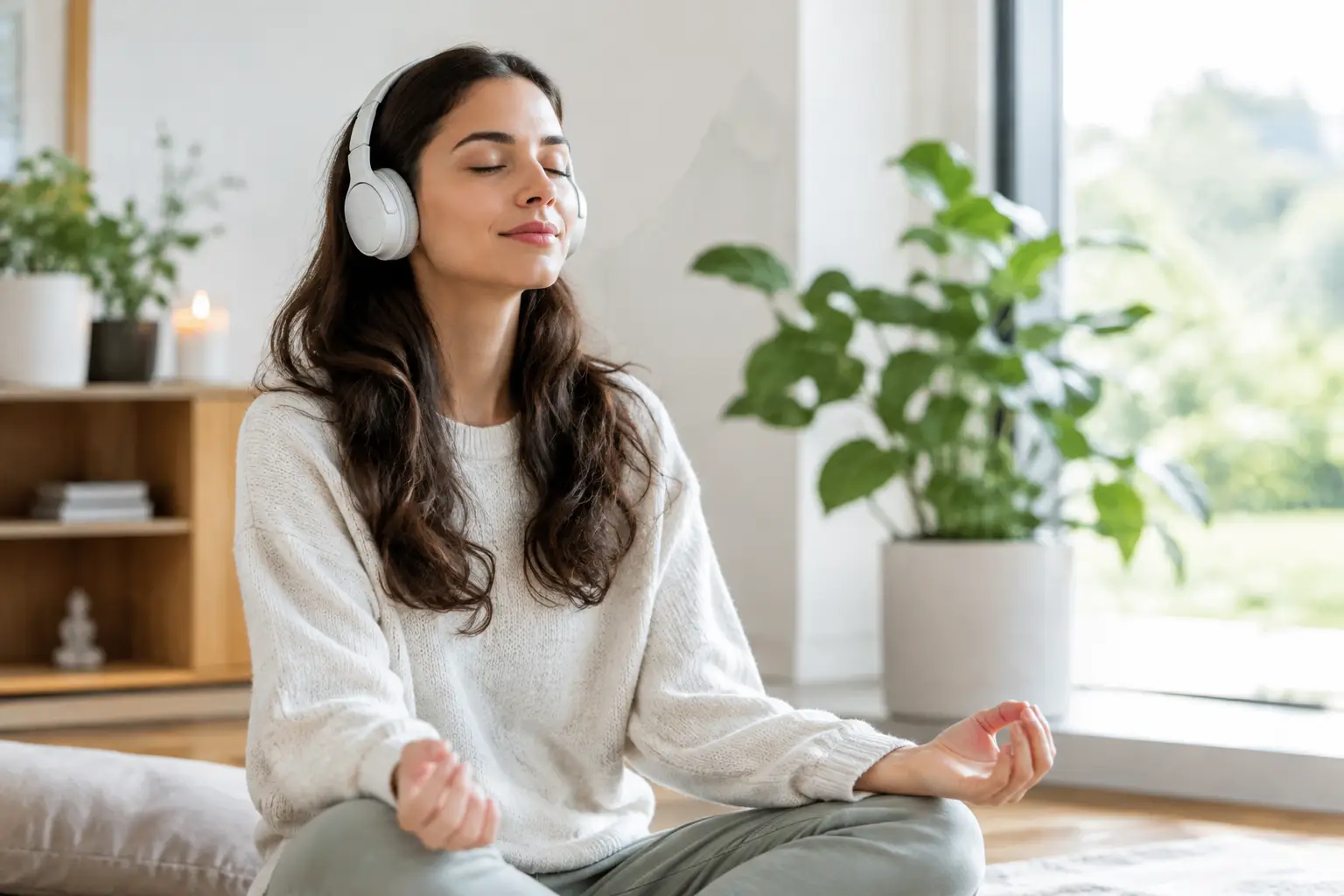
Meditation Music That Helps You Return to Peace
The mind often gets loud at the exact moment you need rest. You sit down to pray, breathe, or simply gather yourself after a difficult day, and suddenly every unfinished task, painful memory, and fearful thought asks for your attention. Meditation music can create a gentle boundary between that inner noise and the quiet place within you that is still connected to peace.
Music is not meant to force your thoughts away or make your emotions disappear. It can, however, give your nervous system a softer rhythm to follow. Used with intention, it becomes a supportive part of emotional healing, prayer, reflection, and the daily practice of returning to love.
Why Meditation Music Can Feel So Supportive
Your body responds to rhythm before your mind has time to explain what is happening. A slow, steady sound can encourage you to lengthen your breath, relax physical tension, and step out of the urgency that often accompanies anxiety or burnout. For someone who spends much of the day overthinking, this can make the beginning of meditation feel less intimidating.
There is also something deeply meaningful about choosing a sound that signals, “I am coming back to myself now.” This small act of intention matters. When life feels scattered, a regular meditation practice can become an anchor – not because every session feels peaceful, but because you continue showing up with compassion for your soul.
From a spiritual perspective, silence is not empty. It is a place where you may become more aware of divine guidance, your own truth, and the beliefs that are shaping your choices. Gentle music can help you arrive at that space, especially if complete silence initially feels uncomfortable or brings up restlessness.
Still, meditation music is not a substitute for feeling what needs to be felt. Grief, childhood wounds, relationship pain, and persistent anxiety deserve care, honest reflection, and sometimes personal support. Music can hold the room open for healing, but it does not need to carry the whole process alone.
How to Choose Meditation Music for Your Needs
The best meditation music is not necessarily the most popular track or the one with the longest runtime. It is the sound that supports the purpose of your practice without pulling you away from it. Before pressing play, ask yourself a simple question: What do I need right now?
If your mind is racing after work, you may need a slow instrumental track with a predictable rhythm. If you are preparing for prayer or spiritual reflection, gentle ambient sounds may help you become receptive without competing with your words. If you are journaling through a painful pattern, you may prefer very minimal background music or even silence so you can hear your own inner voice clearly.
Lyrics can be beautiful, but they are not always helpful for meditation. Words may activate memories, invite analysis, or pull you into someone else’s emotional story. Instrumental music often gives more space for your personal intention. On the other hand, affirmations, healing prayers, or sacred words can be supportive when they are aligned with your focus and do not feel forced.
Pay attention to your body’s response. Does the music help your shoulders drop and your breath deepen? Do you feel more present, or do you find yourself waiting for the next musical change? If a sound is overly dramatic, too fast, or emotionally heavy, it may be better for creative work than for rest.
Choose simplicity over stimulation
A meditation track does not need to be complex to be effective. Soft piano, sustained tones, gentle nature sounds, or quiet instrumental music can be enough. The goal is not to create a perfect atmosphere. The goal is to make it easier to notice what is already happening within you.
For some people, rain or ocean sounds bring calm. For others, those sounds feel distracting or lonely. There is no spiritually superior choice. Your practice becomes more powerful when you honor what genuinely supports your nervous system rather than trying to imitate someone else’s routine.
Let the length match your real life
A 30-minute session can be nourishing, but it is not the only kind that counts. Five minutes of intentional listening before a difficult conversation can shift how you enter the room. Ten minutes before bed can help you release the emotional weight of the day. A shorter practice you can sustain is often more healing than an ideal routine you abandon after a week.
You might choose one song or one soundscape as your daily cue for stillness. Over time, your body may begin to recognize it as an invitation to soften. This is not about escaping your responsibilities. It is about meeting them from a more grounded place.
A Prayerful Way to Use Meditation Music
Meditation becomes especially meaningful when it is connected to an honest spiritual intention. You do not need elaborate language. Begin by sitting comfortably, placing both feet on the floor or resting your hands over your heart, and allowing the music to play at a low volume.
Take a few slower breaths. Then name what is true without judgment: “I feel afraid.” “I feel exhausted.” “I do not know what to do next.” Truth is a form of prayer. You do not have to arrive calm in order to be worthy of divine support.
As you listen, you might gently offer a healing prayer: “Guide me back to peace. Help me release what is not mine to carry. Show me the next loving step.” If your thoughts wander, do not treat that as failure. Notice it, bless yourself for being human, and return to the sound or your breath.
For those drawn to Kabbalistic spiritual work, this practice can also become a moment of Tikkun HaNefesh, or soul correction. Rather than repeating an old reaction of self-criticism, avoidance, or fear, you pause and choose awareness. You create a small opening between the trigger and the response. That opening is where new possibilities begin.
When Music Is Not the Right Tool
There are days when music may feel like too much. If you are emotionally flooded, highly activated, or processing a painful loss, additional sound can sometimes add stimulation rather than comfort. On those days, try quiet breathing, a hand on your heart, a slow walk, or a few grounding words spoken aloud.
It also helps to be realistic about what meditation can and cannot do. Music may support sleep, ease transition after stress, and create a consistent self-care ritual. It cannot resolve ongoing trauma, unsafe relationship dynamics, or severe anxiety on its own. If emotional pain is interfering with your ability to function, reaching for qualified mental health care or one-to-one healing support is a strong and loving choice.
Your meditation practice should not become another place where you pressure yourself to perform wellness. Some sessions will feel clear and sacred. Others may feel restless, tearful, or ordinary. All of them can teach you something when you meet yourself with patience.
Create a Small Ritual You Can Keep
Consistency grows through kindness, not pressure. Choose a time of day when you are most likely to need a reset: before checking your phone in the morning, after closing your laptop, or before sleep. Keep your music choice simple so that beginning does not require another decision.
You may pair the practice with a gratitude journal, a cup of tea, a candle, or a few lines of prayer. These details are not magic on their own, but they can help your mind recognize that you are entering a different kind of space. A space where you are not required to solve every problem immediately.
As the music plays, remember that peace is not always a feeling you must chase. Sometimes it is a decision to stay present with yourself, to breathe through the discomfort, and to trust that healing can unfold one gentle moment at a time.